Monday, 24 January 2022

The regional renaissance & how to invest like a futurist

Futurist investing

Hugely insightful from futurist Steve Sammartino on this week's podcast here (or click on the image below):

You can also tune in at Spotify, Apple, Youtube, etc.  

Thursday, 20 January 2022

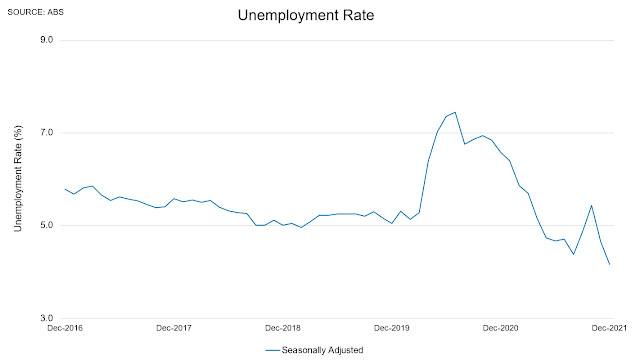
Unemployment rate fell to 4.2pc (before Omicron)

Employment breaches new highs

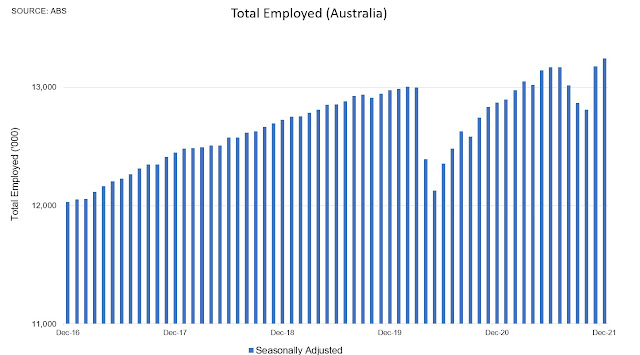
Employment increased +64,800 in December, to 13.24 million, pushing total employment to above 2019 levels. 

The survey period was only until December 11, however, so this statistical release doesn't capture the potentially deleterious impacts of Omicron (i.e. the reported numbers for January could be poor). 


The employment surge in the December quarter was largely related to New South Wales adding back +230,000 jobs upon reopening, and Victoria added back +114,000 jobs, on a net basis. 

There isn't much doing elsewhere now. 


The participation rate missed expectations, staying pat at 66.1 per cent, and a little below where it was in the middle of last year.

The net result spat out an unemployment rate of just 4.2 per cent, which is the lowest unemployment rate since 2008, and spare capacity in the labour force declined. 


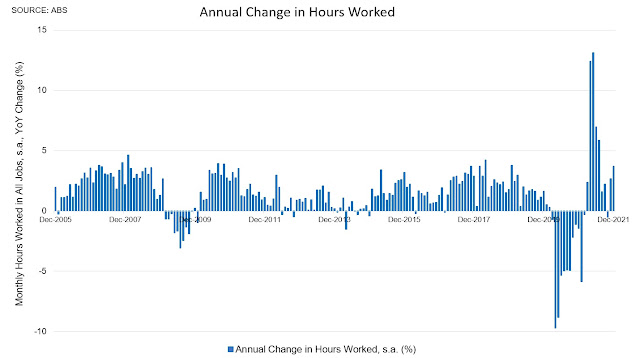
Hours worked in December were a solid (if unspectacular) +3.7 per cent higher than a year earlier, partly one assumes due to nurses and healthcare staff working long hours right now. 


The wrap

Overall, this was a pretty strong result for December, which has gotten a few commentators rather excited about surging wages, inflation, and of course monetary tightening.

Bill Evans of Westpac thinks the Reserve Bank could hike as soon as August this year, but let's see - it's kind of hard to assess when the city is half shut.  

The next inflation data is due out in only five days from now, and will of course be watched closely by analysts. 

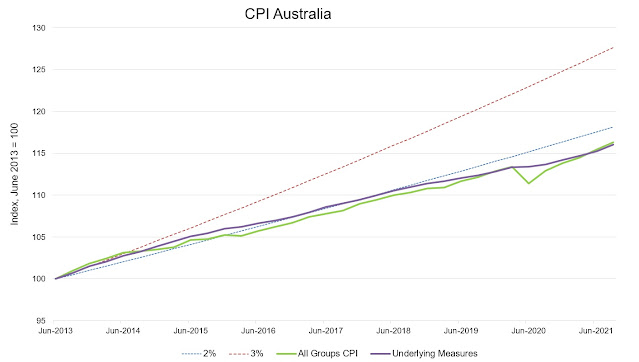
Wages growth at the last count was only 2.2 per cent, and inflation has been tracking below target for so long that it seems odd to me that folks are getting quite so excited about a possible spike in inflation, but here we are. 

---

For reference:


---

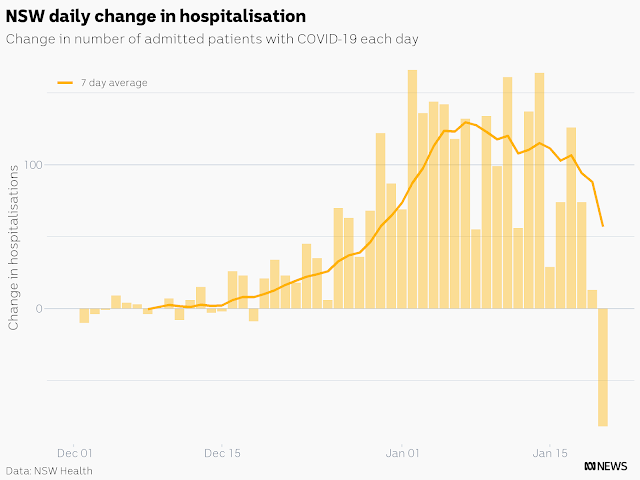
There's been some strange debate over the past few days on social media about weather hospitalisations have peaked in New South Wales, are about to peak imminently, or would for some reason continue to rise in linear fashion.

Given the decline in growth rates - not to mention the unmissable behavioural change visible around the city - it was surely the former.

Whatever, today's numbers were very pleasing for NSW. 


ICU numbers may also be on the way down already in Victoria.

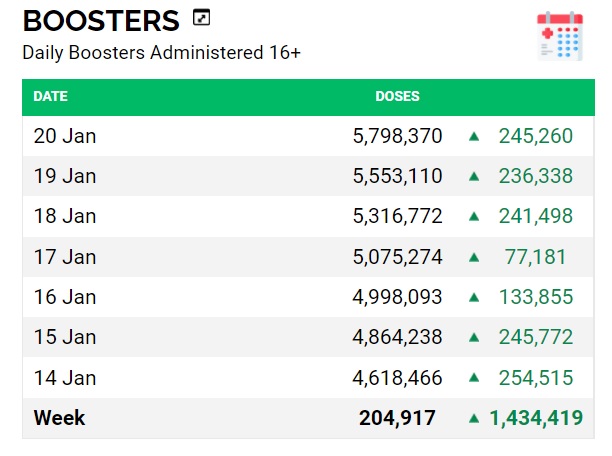
5.8 million boosters and counting should hopefully keep a lid on serious cases from here, mutations notwithstanding. 


Australia has now delivered well over 47 million vaccination doses...and counting. 

Wednesday, 19 January 2022

HomeBuilder boost works through

HomeBuilder hits the mark

There were many, many sceptics about the government's HomeBuilder boost. 

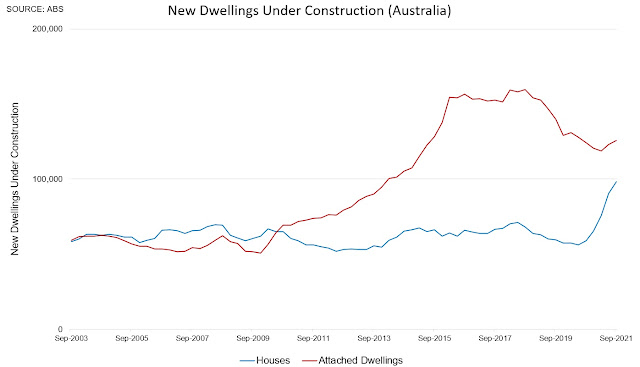
How it started...


How it's going...


Clearly detached house building has really taken off, and all around the country, in response to the stimulus, possibly adding around 50,000 homes which wouldn't otherwise have been built. 

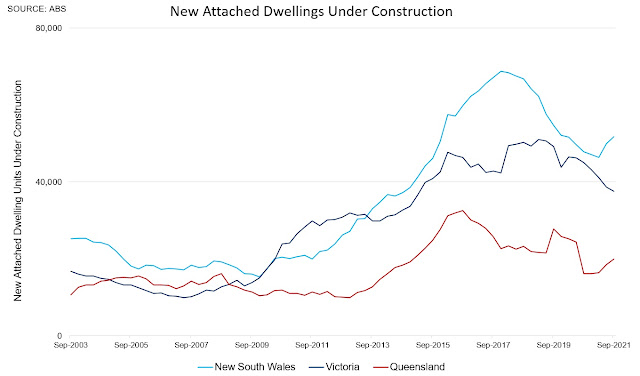
Unit construction has been far steadier through this cycle.

Melbourne's unit market is in a bit of a hole still - at least in part due to migrants heading to Noosa and the Gold Coast - but things are looking up in Sydney and south-east Queensland.  


Dwelling commencements for both houses and units both fell sharply by 16.3 per cent in the September quarter, mainly due to shutdowns and related disruptions. 

Job ads rolling over

Job ads decline

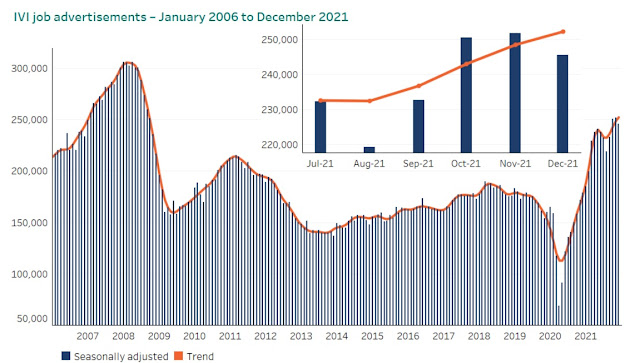
The high watermark for job adverstisements has passed, with online ads dropping 2.5 per cent to 254,600 in December. 

Activity is still very high, mind you, and remained close to the highest level since October 2008 at above 250,000.


Source: LMIP

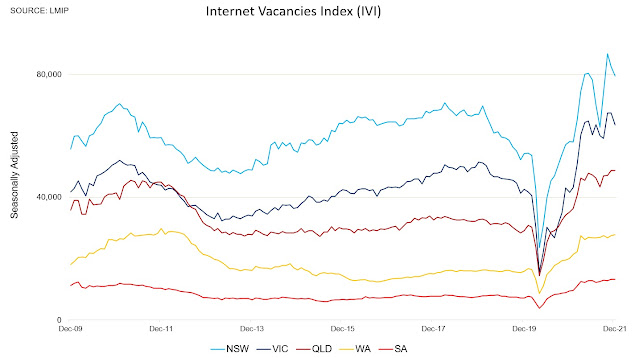
The sharpest monthly declines were recorded in the ACT (-9 per cent), Victoria (-5.8 per cent) and New South Wales (-3.7 per cent).

Queensland and Western Australia remained solid. 


Regional recruitment activity remained strong in December, although anecdotally many regional business have been hurting too lately, in part due to a lack of patronage from holiday makers.

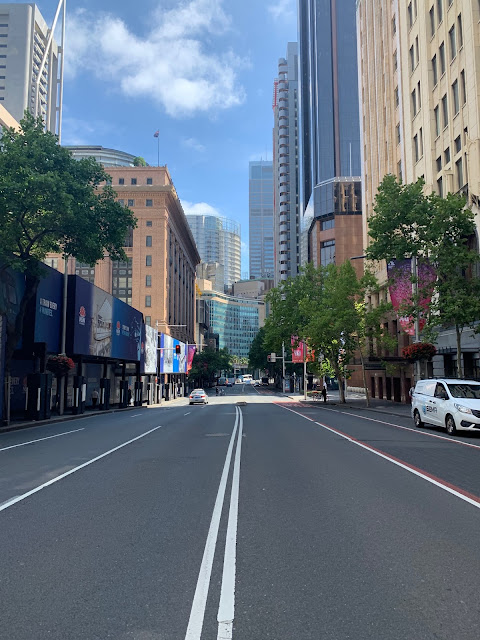
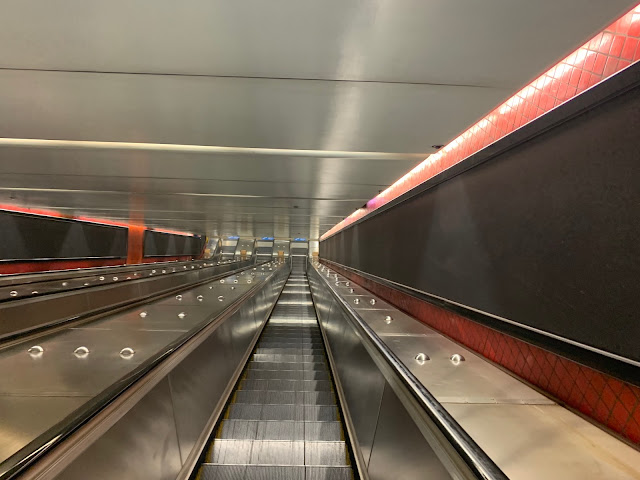
If you follow my Twitter feed, you'll have seen some of the photos of Sydney this week, and the City is clearly very quiet as many office-based businesses have reverted to working from home practices. 

It does look as though the peak is just about in for virus hospitalisations in New South Wales and Victoria, though, and the booster rollout is gathering some decent pace, so things will likely look considerably brighter in February.

---

(Elizabeth Street, and Martin Place).


Investing in commercial vs residential prpperty

Commercial investing

A brief article to complement our podcast this week, on the pros and cons of investing in commercial property versus residential.

Check it out here (or click on the image below):

Tuesday, 18 January 2022

This is why it's time to take a look at commercial property

Commercial property pod

This week's podcast, featuring Steve Palise - considers what types of commercial property investment might be worth a look.

Tune in here (or click on the image below):

You can also tune in at Apple podcasts, Spotify, etc. 

Friday, 14 January 2022

Lending rebounds in November

Lending up

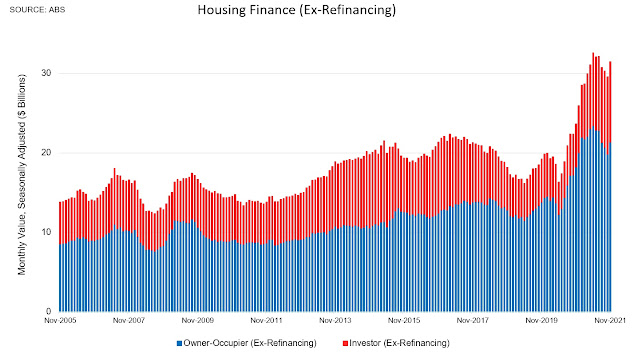
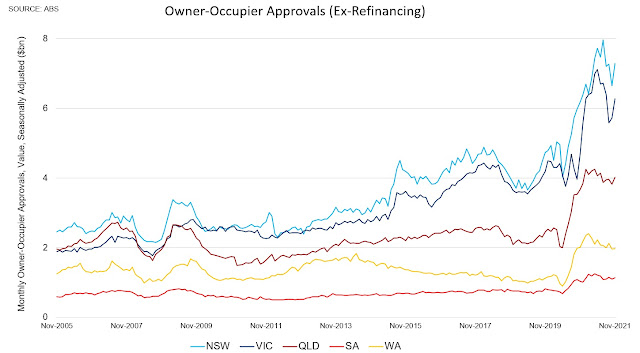
Lending for housing increased 6.3 per cent in November, well ahead of survey expectations.

The dollar value of lending to investors continues to trend higher, to the highest level since 2015, which is probably just as well given that asking rents have been surging. 


The rebound was in part driven by the reopening in Sydney and Melbourne. 


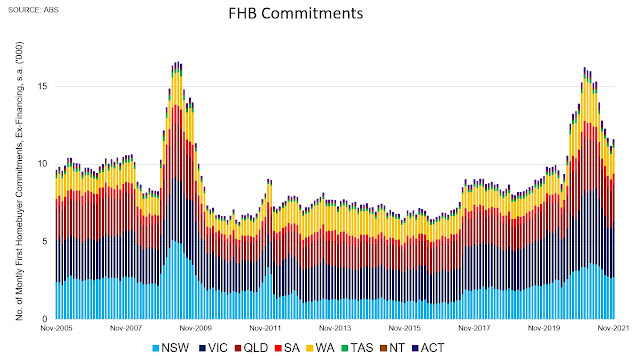
First homebuyer numbers remained relatively elevated. 

It was a pretty strong release, overall, but it's not likely to signify a renewed boom in lending, given that interest rates are expected to rise from here. 

Thursday, 13 January 2022

Canberra and Darwin vacancy rates increase

Rental vacancies up a bit

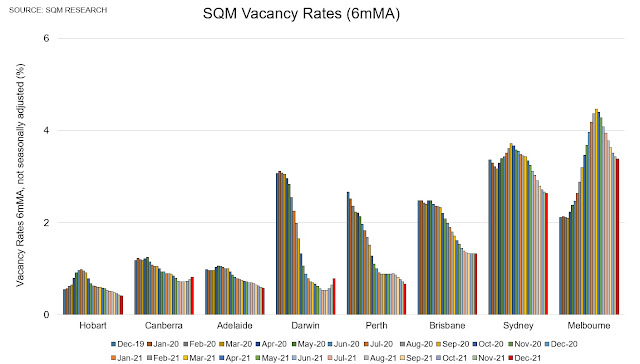
Vacancy rates increased a little in Canberra and Darwin in December, according to SQM Research.

Vacancies were steady in the three largest capital cities. 


Nationally the vacancy rate of 1.6 per cent (57,558 vacancies) was well below the 2.2 per cent (76,665 vacancies) seen a year earlier. 

Vacancy rates fell again in Sydney CBD, and in Melbourne CBD to 5.7 per cent. 

Rents increased 0.8 per cent for houses in the month, and by 1.2 percent for units in the month.